Life Looks Good On You - Life Jacket Loaner Program

Life Looks Good On You OAC Closure FAQ:
Where will the Life Looks Good On You Life Jacket Loaner Program be once OAC is closed? - Corvallis Community Center (C3)
When will the program be transitioned to C3? - August 31st
Can I still rent out a life jacket? - Yes! Life jacket rentals are available at C3 until mid October
Where do I return a life jacket? - You can return any life jacket to C3 at any time
What is the Life Looks Good On You - Life Jacket Loaner Program?
Research shows that most drowning could have been prevented if a life jacket had been worn by the victim. The goals of this program are to increase life jacket use during water-based activities as well as to educate the visiting public on the importance of proper use and fit.
Osborn Aquatic Center began the Life Looks Good On You - Life Jacket Loaner program in the Summer of 2020 to provide the public with free use of life jackets on a first-come, first served basis. This program is open to all who need to borrow a life jacket between Memorial Day and late October (weather dependent!)
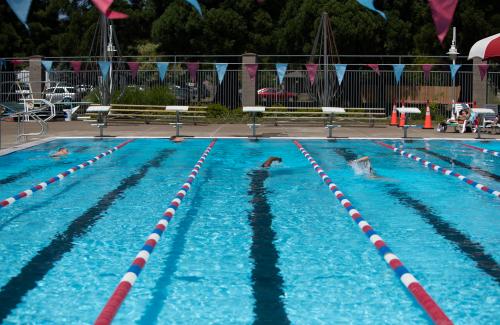
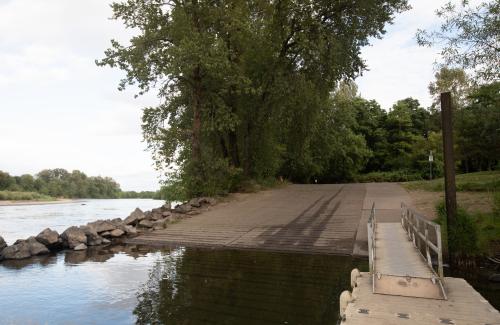
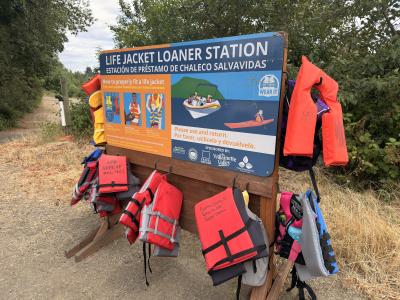
Life Jackets can be borrowed directly from Osborn Aquatic Center until August 31, 2026 during our regular Hours of Operation. Starting August 31, life jackets can be borrowed from the Corvallis Community Center during regular C3 Hours of Operation. We also sponsor three additional Loaner Kiosks at Willamette Park, Crystal Lake Boat Landing and Downtown Corvallis/North Riverfront Park (formerly known as Michael's Landing).
You can also find Loaner Kiosks throughout the state by visiting the Oregon Marine Board's website.
Donations
Life Looks Good On You - Life Jacket Loaner Program was first made possible due to a generous donation from the Benton Community Foundation, and it receives continued support from the Benton County Sheriff's Department, the Nautical Safety Foundation, and Donations from Community Members. The program is always accepting life jackets or monetary donations to continue providing lifesaving devices for our community. Thank you!
For donation inquiries, please reach out to Chloe.Knievel@corvallisoregon.gov
Educational Information & Resources
Life jackets and other personal floatation devices (PFDs) can be lifesaving equipment, however, for it to be effective, the user must be educated on how to use one. When participating in water activities, it’s important to be prepared for the unexpected. There are three key points to keep in mind when using a PFD:
-
Be calm in the water. Water accidents can be scary, especially when it happens unexpectedly, it’s crucial that you stay calm because frantic movement can make it difficult to float safely.
-
Float on your back. Life jackets have most of their buoyant materials located at the front of the chest. By floating on your back, you ensure that the life jacket can do its job most effectively.
- Turn to a “face-up” position. When the unexpected happens, the primary thing to focus on is turning your body into a face-up position with your face out of the water. This ensures that your airways stay open and decreases the likelihood of drowning.
You and, if applicable, your children should practice these skills often. The information in this section was adapted from the Think Safe PFD manual and Teach your child how to float with a PFD pamphlet. To read more information, click on either of the hyperlinks above or visit the Coast Guard’s PFD website.
| Life Jacket Size | Life Jacket User Weight | Life Jacket Chest Size |
|---|---|---|
| Infant | Less than 30 lbs. | N/A |
| Child | 30 lbs. - 50 lbs. | N/A |
| Youth | 50 lbs. - 90 lbs. | 26 in. - 29 in. |
| Adult | More than 90 lbs. | 30 in. - 52 in. |
| Adult XL | More than 90 lbs. | 52 in - 62 in. |
How to Fit Your Life Jacket
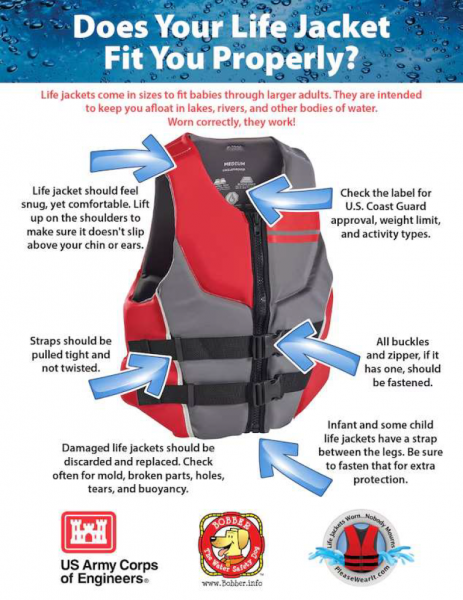
To properly secure a life jacket, zip up the zipper, buckle the buckles, then pull the straps tight. Note that some life jackets have a leg strap that should also be secured. If you are unable to complete any of these steps, the life jacket is too small. After tightening the straps, double check the fit by lifting your shoulders. The life jacket should not slip over your chin or ears. If there are more than 3 inches or 4/5 fingers between the shoulders and the life jacket, it is too big.
For more information please see our FAQ section.
Locations
Opens in new window
PDF Download
Word Download
Excel Download
PowerPoint Download
Document Download
et Fit You Properly? Life jackets come in sizes to fit babies through larger adults. They are intended to keep you afloat in lakes, rivers, and other bodies of water. Worn correctly, they work!"
Opens in new window
PDF Download
Word Download
Excel Download
PowerPoint Download
Document Download
Opens in new window
PDF Download
Word Download
Excel Download
PowerPoint Download
Document Download
Opens in new window
PDF Download
Word Download
Excel Download
PowerPoint Download
Document Download
Opens in new window
PDF Download
Word Download
Excel Download
PowerPoint Download
Document Download
Opens in new window
PDF Download
Word Download
Excel Download
PowerPoint Download
Document Download
Opens in new window
PDF Download
Word Download
Excel Download
PowerPoint Download
Document Download
Opens in new window
PDF Download
Word Download
Excel Download
PowerPoint Download
Document Download
Opens in new window
PDF Download
Word Download
Excel Download
PowerPoint Download
Document Download
Opens in new window
PDF Download
Word Download
Excel Download
PowerPoint Download
Document Download
Opens in new window
PDF Download
Word Download
Excel Download
PowerPoint Download
Document Download
Opens in new window
PDF Download
Word Download
Excel Download
PowerPoint Download
Document Download
Opens in new window
PDF Download
Word Download
Excel Download
PowerPoint Download
Document Download
Opens in new window
PDF Download
Word Download
Excel Download
PowerPoint Download
Document Download
Opens in new window
PDF Download
Word Download
Excel Download
PowerPoint Download
Document Download
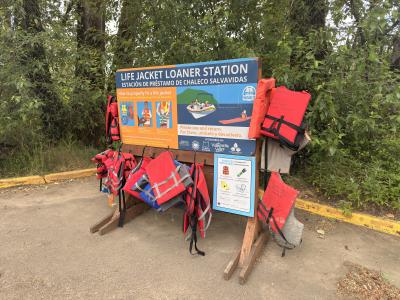
Crystal Lake Kiosk
Edge of Willamette Park, Corvallis, OR 97333
Opens in new window
PDF Download
Word Download
Excel Download
PowerPoint Download
Document Download
Opens in new window
PDF Download
Word Download
Excel Download
PowerPoint Download
Document Download
Opens in new window
PDF Download
Word Download
Excel Download
PowerPoint Download
Document Download
Opens in new window
PDF Download
Word Download
Excel Download
PowerPoint Download
Document Download
Opens in new window
PDF Download
Word Download
Excel Download
PowerPoint Download
Document Download
Opens in new window
PDF Download
Word Download
Excel Download
PowerPoint Download
Document Download
Opens in new window
PDF Download
Word Download
Excel Download
PowerPoint Download
Document Download
Michael's Landing Kiosk
North Riverfront Park, Corvallis, OR 973330
*Tucked away befind the Old Spaghetti Factory*
Opens in new window
PDF Download
Word Download
Excel Download
PowerPoint Download
Document Download
Opens in new window
PDF Download
Word Download
Excel Download
PowerPoint Download
Document Download
Opens in new window
PDF Download
Word Download
Excel Download
PowerPoint Download
Document Download
Opens in new window
PDF Download
Word Download
Excel Download
PowerPoint Download
Document Download
Opens in new window
PDF Download
Word Download
Excel Download
PowerPoint Download
Document Download

Willamette Park and Natural Area Kiosk
1198 Fisher Ln, South Corvallis, OR 97333
*At the Willamette Boat Landing*
Opens in new window
PDF Download
Word Download
Excel Download
PowerPoint Download
Document Download
Opens in new window
PDF Download
Word Download
Excel Download
PowerPoint Download
Document Download
Opens in new window
PDF Download
Word Download
Excel Download
PowerPoint Download
Document Download
Opens in new window
PDF Download
Word Download
Excel Download
PowerPoint Download
Document Download
Opens in new window
PDF Download
Word Download
Excel Download
PowerPoint Download
Document Download
Opens in new window
PDF Download
Word Download
Excel Download
PowerPoint Download
Document Download
Opens in new window
PDF Download
Word Download
Excel Download
PowerPoint Download
Document Download
Opens in new window
PDF Download
Word Download
Excel Download
PowerPoint Download
Document Download
Opens in new window
PDF Download
Word Download
Excel Download
PowerPoint Download
Document Download
Opens in new window
PDF Download
Word Download
Excel Download
PowerPoint Download
Document Download
Opens in new window
PDF Download
Word Download
Excel Download
PowerPoint Download
Document Download
Opens in new window
PDF Download
Word Download
Excel Download
PowerPoint Download
Document Download
Opens in new window
PDF Download
Word Download
Excel Download
PowerPoint Download
Document Download
Opens in new window
PDF Download
Word Download
Excel Download
PowerPoint Download
Document Download
Opens in new window
PDF Download
Word Download
Excel Download
PowerPoint Download
Document Download