Stream Temperature
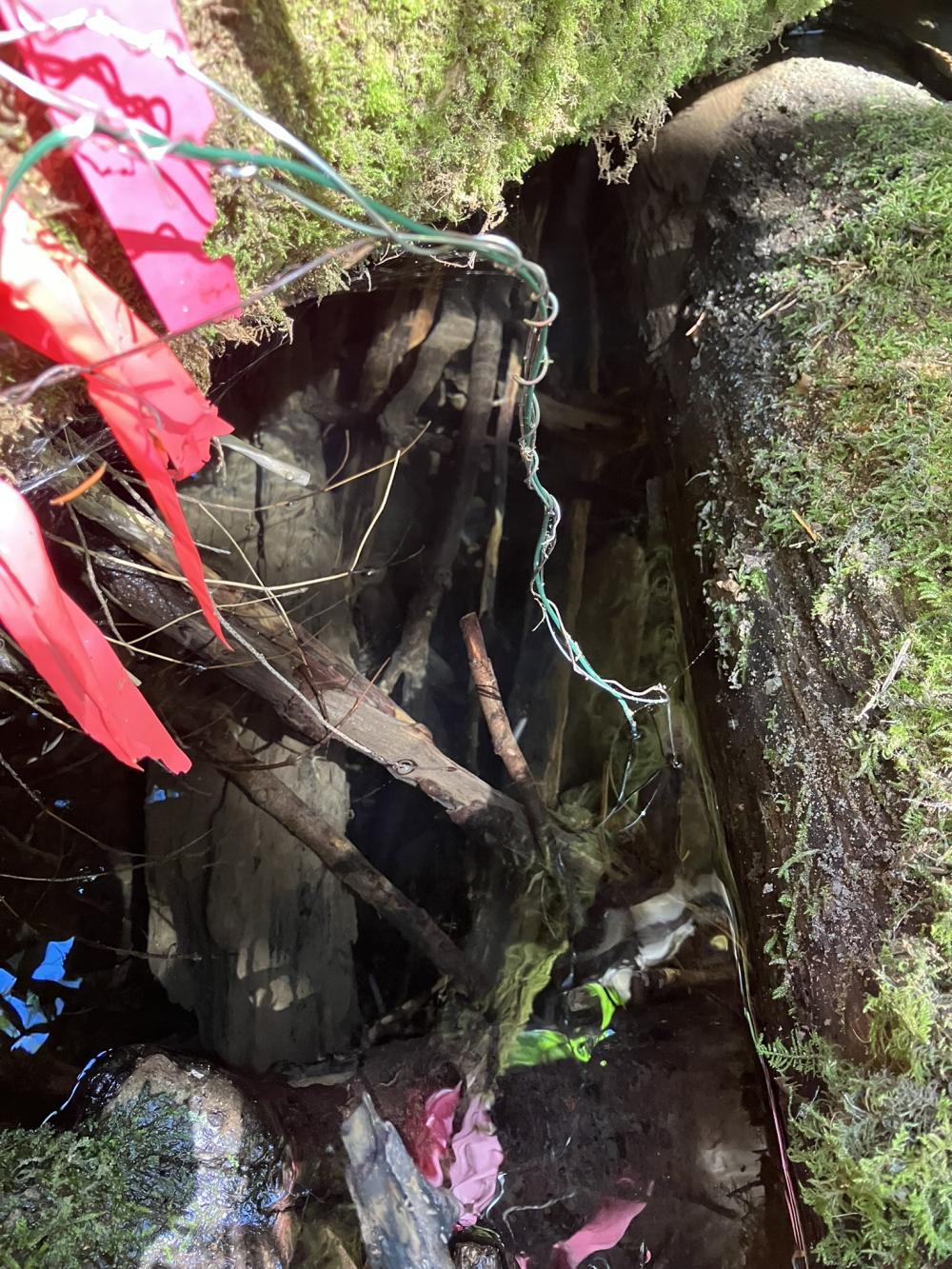
Monitoring History:
The City of Corvallis has been involved with stream temperature monitoring in the Corvallis Forest since 2010, and has been working long term with Marys River Watershed Council on their temperature monitoring project in the larger watershed. Stream temperature is generally determined by ambient air temperature, but land and aquatic management can help retain cool temperatures and allow aquatic organisms to thrive during periods of warmth. These temperature monitoring stations are used to sample major tributaries and areas around confluences.
These stations have been continuously monitored during summer season (June – Sept) of each year since 2010 to provide the City of Corvallis with feedback about stream temperature conditions in the Corvallis Forest. Temperature monitoring is important for aquatic organisms, especially salmonids. 64.4°F is the maximum desired temperature for salmonid fish habitat. A majority of streams in Corvallis Forest historically average below that temperature. The results are reported in the Forest Activities Report each year, and are linked below.
2025 updates:
The number of temperature monitoring sites has been reduced to the most relevant sites, and temperature loggers were left out to be monitored over the winter for the first time. This will enable the City to have a better picture of year-round temperature fluctuations if the loggers are able to withstand the high flows and be recovered in the spring.
| 2011 | The City of Corvallis and the Siuslaw National Forest cooperatively monitored stream temperatures during the summers of 2005, 2006, 2010 and 2011. Air temperatures at three sites were also monitored. Factors that can influence water temperature include stream shading, amount of substrate in the stream channel, the aspect of the stream channel, the width of the stream and air temperatures. |
| 2012 | Objectives of the ongoing stream monitoring are: to characterize the stream temperatures throughout the watershed; to determine the effects of restoration efforts; to determine if it is possible to measure effects of the reservoir on downstream temperatures, if any. Air temperature was also monitored at one site. |
| 2013 | Two additional monitoring sites were established. Precipitation, air temperatures, and stream flow for the last four years were compared. |
| 2014 |
In addition to air and water temperatures, stream flow data was collected for a second summer. It is unlikely that the effects of the spillway are having an impact on temperatures at the mouth of Rock Creek. |
| 2015 | The stream temperatures reflected regional climate records. In 2015, for the first time, stream temperatures had a 7‐day average of the daily maximum temperature slightly above 64°F. |
| 2016 | This report is an addendum of previous reports. The interesting new factor in 2016 was the increased flows from the dam valve channel, which is fed by the bottom of the reservoir. Temperatures in the mainstem are higher than would be expected. |
| 2017 | See previous years reports for maps of the monitoring site locations. |
| 2018 | Due to the emptied reservoir, variables influencing stream temperature were different in 2018. |
| 2019 | Summer air temperatures were cooler in 2019 than they had been since 2010. |
| 2020 | Summer air temperatures were hot in 2020, and streamflows were lower, impacting water temperature. |
| 2021 | Observed stream temperatures were warmer in 2021 than 2020. |
| 2022 | Observed stream temperatures were slightly cooler during summer 2022 than during 2021. |
| 2023 | |
| 2024 | Stream temperatures in the Rock Creek stream network were similar to those recorded in recent years. |


